

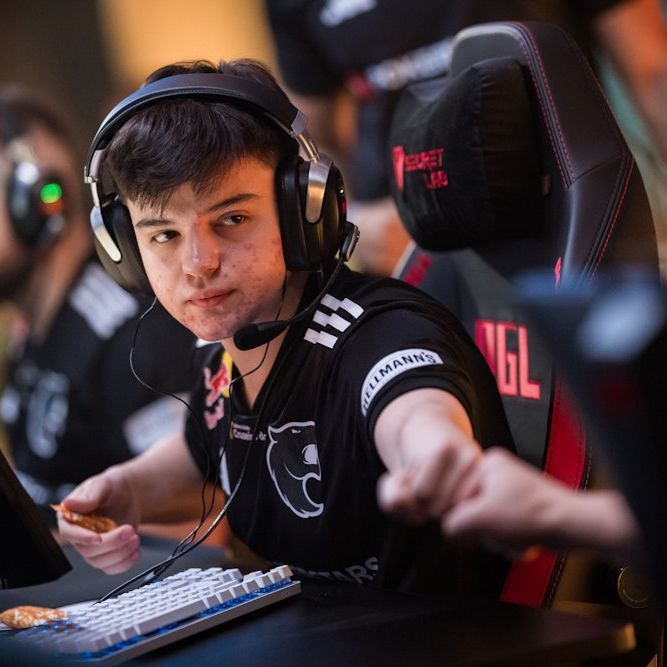
Danil “molodoy” Golubenko, the Kazakh sniper representing FURIA Esports, has issued a public statement addressing his highly emotional commentary that was captured on the official broadcast of the recent BetBoom Streamers Battle x Динамо CS #4 tournament. The incident highlighted a classic friction point in esports: the challenge faced by tier-one professionals when navigating low-stakes, entertainment-focused events.
The Conflict of Context: Tier 1 vs. Rofl
The incident occurred during molodoy’s participation with Team Shadowkek, a roster that ultimately exited the tournament after a loss to Team Buster in the lower bracket playoffs. While the BetBoom Streamers Battle is generally intended as a spirited, fun competition combining established content creators and professional talent, molodoy’s demeanor suggested stakes far higher than a casual exhibition.
In his explanation, molodoy articulated the root cause of his visible frustration: the operational tempo and competitive expectation are fundamentally different from his daily environment. As a professional, the primary objective is victory, regardless of the format. This innate drive clashed with the often more relaxed, strategy-agnostic atmosphere of a streamer event.
“I am a professional player, accustomed to a different format, and I always play for results. I do not like to lose. The tournament was in a different style, and in the moment, I was simply emotionally trying to explain something, to convey my thoughts. Competitive emotions were running high.”
Deconstructing the Pro Mindset
For external observers, competitive frustration in an exhibition match might seem disproportionate. However, molodoy’s reaction provides a valuable, albeit intense, glimpse into performance psychology within elite esports. Professionals are wired for peak efficiency and tactical supremacy. Dropping the competitive shield—even temporarily—can be immensely difficult.
The distinction molodoy drew is technical and relevant: a high-level CS2 match demands absolute adherence to strategy, discipline, and efficient communication. When a team environment deviates from this structure, a player whose career is defined by precision can find the lack of rigorous execution deeply grating. The emotions expressed were not necessarily personal attacks, but rather a visceral reaction to tactical inefficiencies preventing the intended result—winning.
A Commitment to Adaptability and Public Conduct
While standing by his competitive integrity, molodoy recognized that behavior during public broadcasts requires a different level of control, especially when the event’s core premise leans towards entertainment.
He offered a direct apology for any perceived rudeness or sharpness, acknowledging that his delivery may have been inappropriate for the format. He admitted that, ideally, a player should be able to adjust their intensity level to match the event`s intent—even if that intent is to “play for the rofl” (play for fun or humor).
“I understand I was in the wrong, but one moment should not lead to hasty conclusions. I agree, one could enter this specific tournament playing `for the rofl,` but I always play to win. I will change. Sorry again for my gestures and emotions.”
molodoy`s statement is a necessary step in managing his public profile and reinforcing sportsmanship. It serves as a reminder to the community that the competitive fire that drives these athletes to the top of the esports ladder is a double-edged sword: it generates success but also requires careful management when transitioning into less formal settings.
Conclusion: The Necessity of Emotional Regulation
The incident surrounding molodoy at the BetBoom Streamers Battle is less about controversy and more about the delicate act of professional calibration. Elite competitive drive must be regulated when the playing field shifts from a Major stage to a highly visible, yet casual, streaming environment. While his passion for victory is commendable—and expected of a FURIA sniper—his commitment to adapting his emotional response demonstrates maturity required for sustained success both in and out of the server.
 Finley Holt
  Oliver Brampton